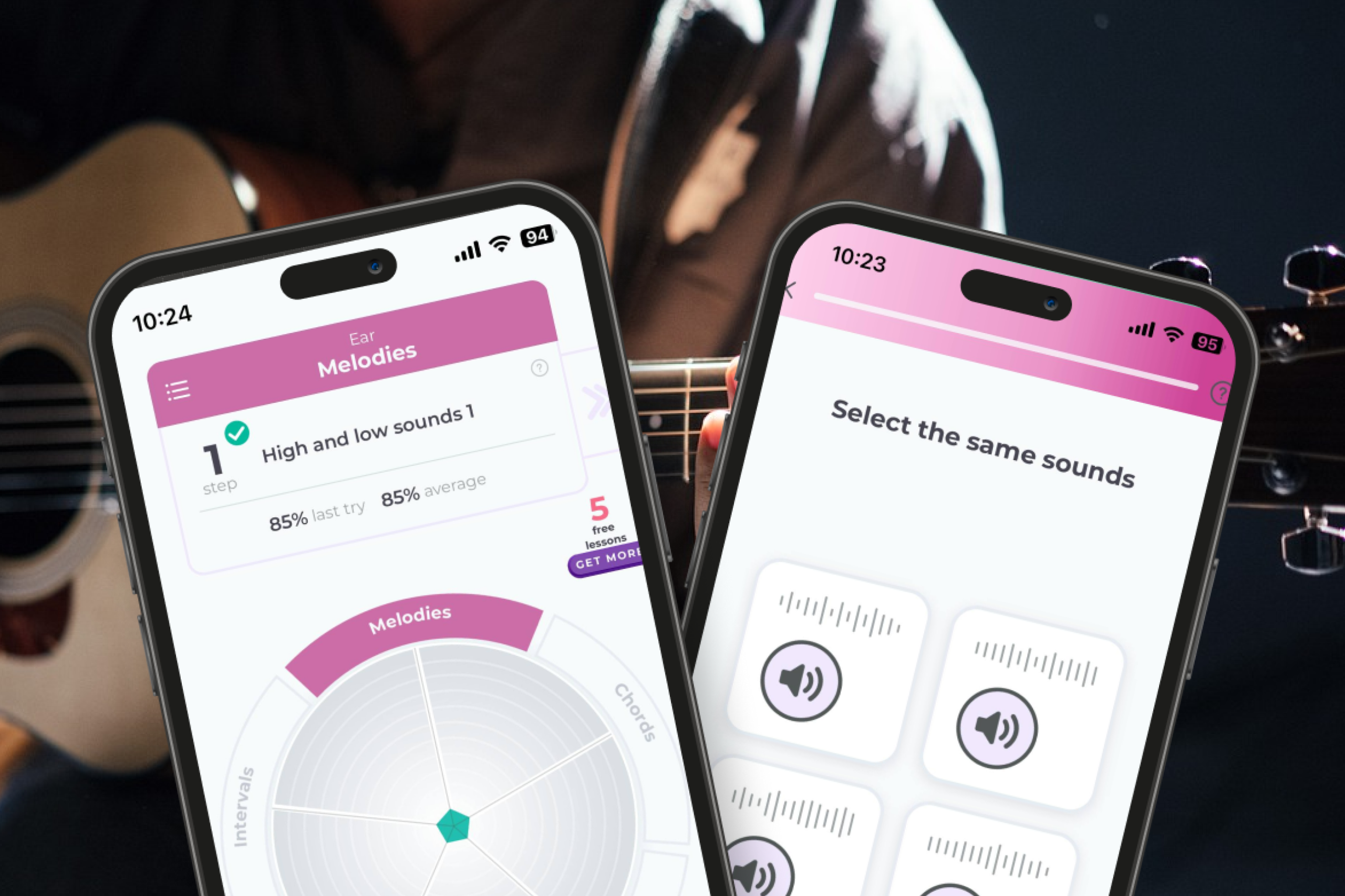
Why The Choice Of An App For Learning Music Is Important
While access to educational resources rapidly expands, choosing the right application for mastering musical instruments is not only a matter of convenience in our time but also a key factor that determines the very success of the entire process. Music is not just theory and practice, but it also involves an inner mindset, motivation, and regularity of lessons. The ecosystem in which you develop has got to nurture these very aspects. This context is where Talented vs Flowkey; app comparison; learning depth; feature analysis; practice comparison become practical signals of content richness, practice depth, feedback quality, and learning outcomes — read more below.
Disappointment may result from a wrong platform.
- Weak feedback slows down improvement.
It reduces engagement because it lacks personalization.
Thus, creating a solid foundation for your musical journey requires making a conscious choice of an application. As developers, we understand that learning is not a mechanical set of lessons, but rather a living process that requires much flexibility, deep immersion, and continuous support of the user.
Competitor Overview Key Functions & Concepts Compared
In today’s field of music applications, two major players stand out, similar in goals but very different in approach.
| Feature | Our Application | Flowkey |
| Teaching Method | Interactive learning with adaptability and focus on developing ear and rhythm | Combination of video lessons and sheet music |
| Feedback | Real-time, performance analysis, personalized recommendations | Limited feedback with delay |
| Personalization | Dynamic material selection, depending on mood and level | Static set of courses for different levels |
| Repertoire | Wide range of genres and difficulty | Popular and classical pieces |
| Interface | Minimalist — emphasizing comfort and focus on learning | More visually rich, aimed at mass audience |
Our product has been designed to focus very much on a deeply immersive, lively experience. The app does not just teach chords or scales; it forms in the user skills impossible to acquire in isolation: music structure comprehension, sense of rhythm, listening skills. Not like other solutions, where learning often turns into passive repetition, we offer interactivity, flexibility, and continuous feedback. Conclusion: Between these applications, the choice is to be made between the traditional approach to learning and a wholly adaptive, immersive methodology, considering the peculiar features of each user. This is a practical spot for app comparison that respects curriculum depth, tutorial style, and progression metrics.
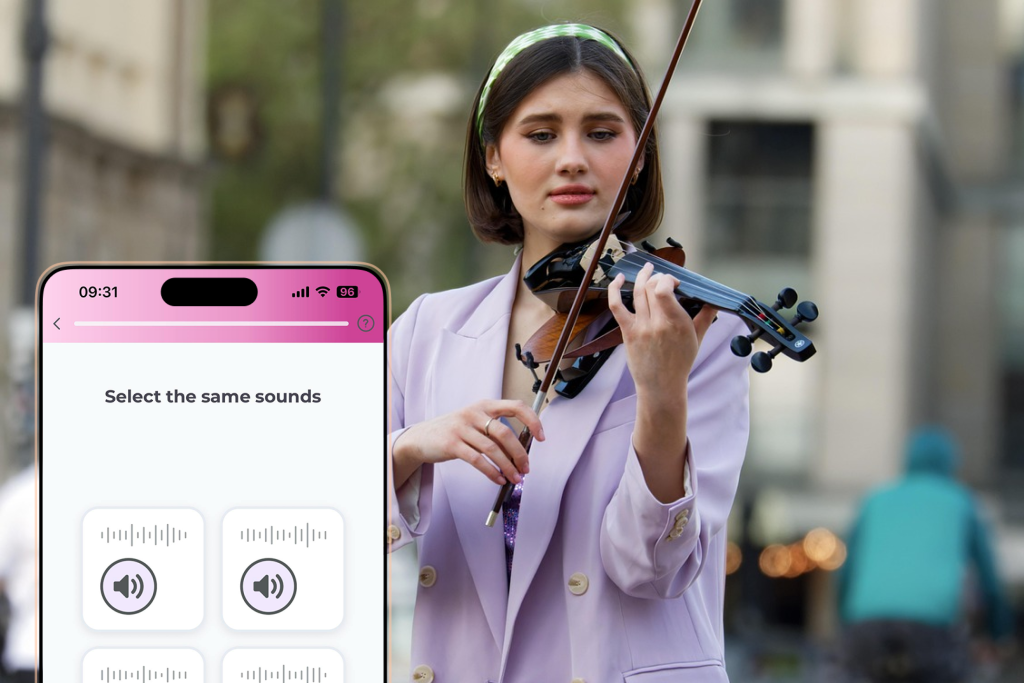
Usability And Design How The Interface Influences Motivation To Learn
In educational music apps, the ease of use and visual design play a key role in maintaining the user’s interest. Indeed, even the most well thought-out content can lose its effectiveness if it is complicated to navigate and burdensome on the eyes.
Consider, in more detail, how this interface would affect motivation:
- Intuitiveness. The easier it is to get around the app, the quicker the learner will be fully engaged in the process without spending time learning how it works. Flowkey shows a well-organized structure: all sections are divided logically, and finding the needed material really doesn’t take much time. Talented, on the other hand, sometimes asks users to figure out additional settings, which can become problematic for beginners.
- Visual Aesthetics. Color schemes, animations, and graphic clarity — all of these work together to make up a comfortable learning atmosphere. Flowkey goes with a minimalist yet modern design, while Talented insists on richer visual elements, which might be a stimulus for some and a distraction factor for others.
- Interface Adaptability. Both platforms are optimized for different devices, but Talented offers more flexible settings — considering personal preferences such as changes in font size and color scheme — which support sustained motivation and reduce fatigue.
- Navigation And Lesson Structure. Each session in Flowkey is designed to give users a clear understanding of what to do next. Talented, in contrast, sometimes takes a freer approach, letting users choose independently in which order to proceed — ideal if you like experimenting but perhaps slowing down beginners.
Repertoire And Adaptation To Skill Level Selection Of Musical Works And Personalized Learning
Key aspects that noticeably affect effectiveness and enjoyment of lessons are repertoire and adaptive learning.
Talented stands out with a wide variety of musical styles and genres:
- From classic and jazz to modern pop hits and soundtracks —
- Each piece is segmented into difficulty levels, which enables the lesson to be tailored to the particular level of the user.
- Besides, the application analyzes achievements and offers tracks that are optimally fitted for developing weaker skills.
Flowkey focuses on a carefully curated library, including both world hits and piano études. Emphasis on popular and well-recognized melodies helps not only to practice technique but also gives pleasure.
More profound personalization through analytical recommendations and genre variety is offered by Talented. Flowkey puts emphasis on the structure and easiness of choice, underlining repertoire popularity. Depending on the goal — to improve technique or enjoy playing — a suitable option each user will find. This adds another angle to feature analysis across library breadth, lesson customization, and song complexity.
Additional Features And Integrations Beyond The Lessons
Not just pocket-sized textbooks are today’s music applications. They try to become fully-fledged educational ecosystems, combining lessons with additional tools and services that expand the borders of learning. Not limiting ourselves to standard functionality was the goal when we created our app. Instead, it was about offering the maximum of useful options that would help users not only to play but also deeply understand music.
The extended functionality is realized in these key areas:
- Synchronization With Devices And Platforms. Connecting keyboards or guitars using MIDI interfaces; integration with audio editors and DAW (digital audio workstations) is an important feature for users who want to create their own tracks. Storing progress and user settings in cloud services allows learning on multiple devices without data loss.
- Deep Performance Analysis. Besides basic parameters like tempo and accuracy, algorithms to analyze dynamics, articulation, and even sensitivity to rhythmic accents have been implemented. A sort of “radar” of strengths and weaknesses is provided to users. Learning is no longer just repeating, but conscious development.
- Community And Experience Exchange. The inclusion of built-in chats and forums allows discussion of tasks and achievements in lessons. The community maintains motivation, while joint challenges and competitions allow game elements to provide competitiveness in learning.
- Professional Masterclasses And Webinars. Often, famous musicians conduct exclusive sessions that one can access right from within the app. Inspiration is at hand here, along with a chance to get advice that will be truly valuable and to learn new ways of playing.
- Integration With External Libraries And Partner Services. Users can purchase sheet music, backing tracks, or training courses with one click without leaving the app. Huge amounts of content are provided through cooperation with music stores and educational platforms.
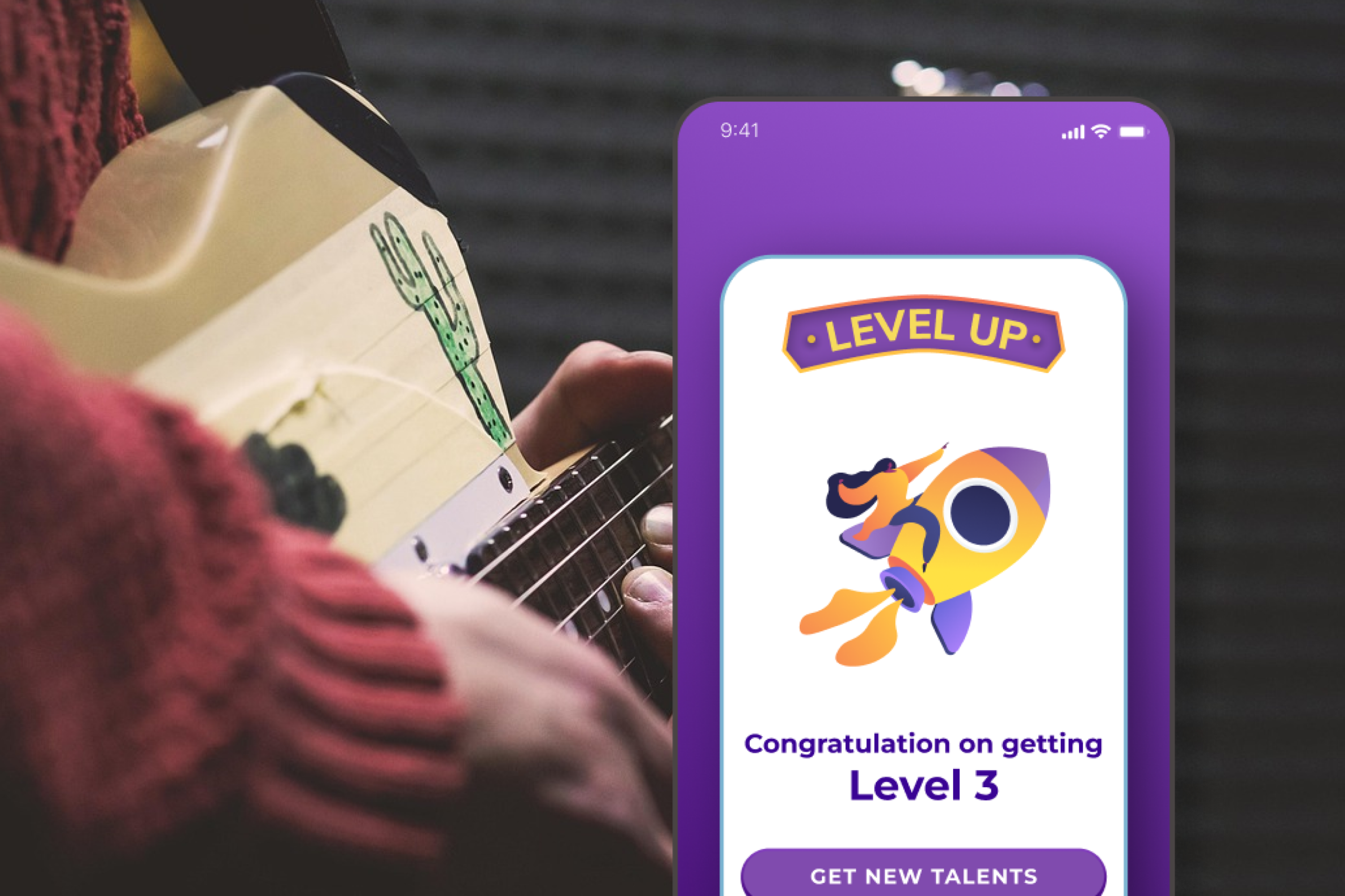
Thus, additional functionality and integrations of our product make learning unlimited, while lessons are just a starting point. Crossing beyond traditional methodology, we create a full environment for creative growth and professional development of each user. Consider this a living app comparison category that reflects app reputation, pricing structure add-ons, and curriculum depth.
Conclusion Which App Offers A More Rich And Effective Learning Experience
The comparative review of Talented and Flowkey can be summarized by pinpointing several key aspects defining the depth and quality of learning in each service. Talented provides an experience that can definitely be described as truly deep musical skill development, given the thoughtful methodology and a great number of adaptive exercises. The interactive lessons focused on gradual material complexity allow for sustainable progress.
Flowkey wins for fast immersion into playing, thanks to its intuitive interface and rich repertoire library. But as for personalization algorithms and feedback, Talented looks more developed, and that is critical for those who wish not just to learn separate pieces but develop comprehensively as musicians.
This wraps a balanced practice comparison grounded in feedback quality, adaptive difficulty, and progression metrics.